Vivienne Fae doesn’t flinch when people call her names. She’s heard them all-whore, liar, temptress, victim. But when she says ‘I chose this,’ it’s not a defense. It’s a fact. Her story isn’t about scandal. It’s about survival, control, and the quiet rebellion of owning your body in a world that wants to shame you for using it. Vivienne started working in London at 22, after her student loan ran out and her landlord raised the rent. She didn’t want to work two minimum wage jobs just to keep the lights on. So she walked into a private massage studio and asked if they needed someone. That was the beginning. Not because she craved attention. Not because she was broken. But because she knew her body was her only asset, and she wasn’t going to let someone else profit from it.
There’s a whole industry built on the idea that sex work is dirty, dangerous, or degrading. But Vivienne’s experience? It’s clean, controlled, and carefully priced. She offers body to body massage as one of her services-not because it’s sexual, but because it’s intimate. And intimacy, she says, isn’t the same as sex. Clients pay for presence. For silence. For someone who doesn’t ask for your problems, but sits with you while you cry. That’s the real service. And yes, some clients come looking for more. But Vivienne sets boundaries before the door even closes. She doesn’t do anything she doesn’t want to. Ever.
What Clients Really Want
Most people assume clients of sex workers are lonely men in suits. That’s a stereotype. Vivienne’s clients are women in their 50s who just lost their husbands. Men who’ve been divorced for ten years and forgot how to hold someone without it turning into sex. A college student who’s never had a real hug. A nurse working 12-hour shifts who just needs to feel soft hands on her back for 20 minutes. The erotic massage isn’t about penetration. It’s about touch without expectation. About being seen without being judged. Vivienne once had a client who cried the whole time because no one had touched him without gloves since his cancer surgery. That’s not erotic. That’s human.
The Myth of the ‘Hooker’
The word ‘whore’ is weaponized. It’s used to silence, to erase, to make people feel guilty for choosing autonomy. Vivienne doesn’t use that word to describe herself. She calls herself a provider. A therapist of touch. A professional. And she’s not alone. In cities like Amsterdam, Berlin, and now even Dubai, licensed sex workers operate under clear rules. In Dubai, some studios offer erotic massage dubai services that are legally regulated, with health checks, client vetting, and contracts. It’s not the wild west. It’s business. And it’s growing. Vivienne has worked in Dubai twice-once for a three-month contract with a boutique wellness center. She says the clients there are more reserved, more polite, and pay better. But the rules are stricter. No skin-to-skin contact unless it’s pre-approved. No private meetings. No alcohol. And every session is logged. It’s sterile. But it’s safe. And for her, safety matters more than romance.
Why People Stay
Most people think sex workers leave because they’re exploited. But Vivienne knows others who’ve been doing this for 15, 20 years. Why? Because it pays well. Because they control their hours. Because they don’t have to pretend to like their boss. One of her friends, a former teacher, now works full-time in Berlin. She says she makes more in a week than she did in a month teaching. And she gets to take Fridays off to travel. She doesn’t miss the grading. She doesn’t miss the parent-teacher meetings. She misses the silence of her apartment after a long day of touch.
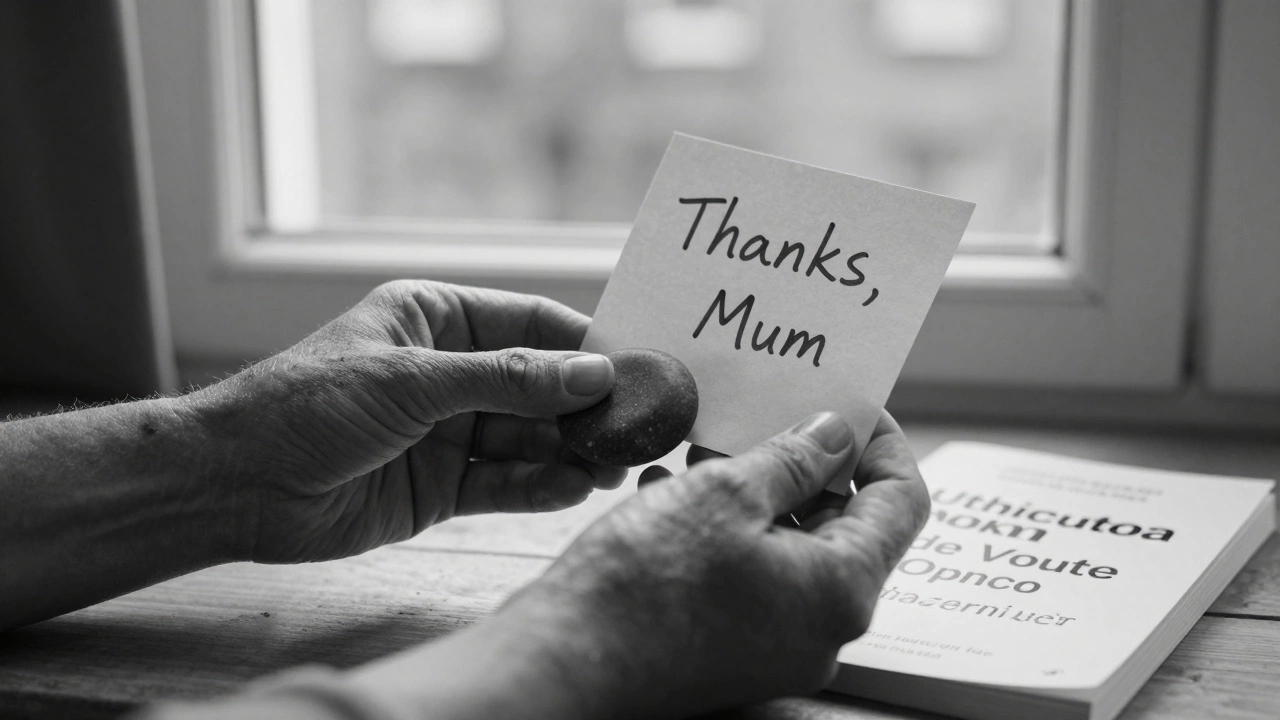
The stigma is the hardest part. Not the work. Not the clients. The fear of being found out. Vivienne’s family still doesn’t know. Her younger sister thinks she’s a ‘life coach.’ Her mother sends her articles about ‘rescuing women from trafficking.’ Vivienne keeps them all. She doesn’t correct them. She just smiles and says, ‘Thanks, Mum.’
Healing Through Touch
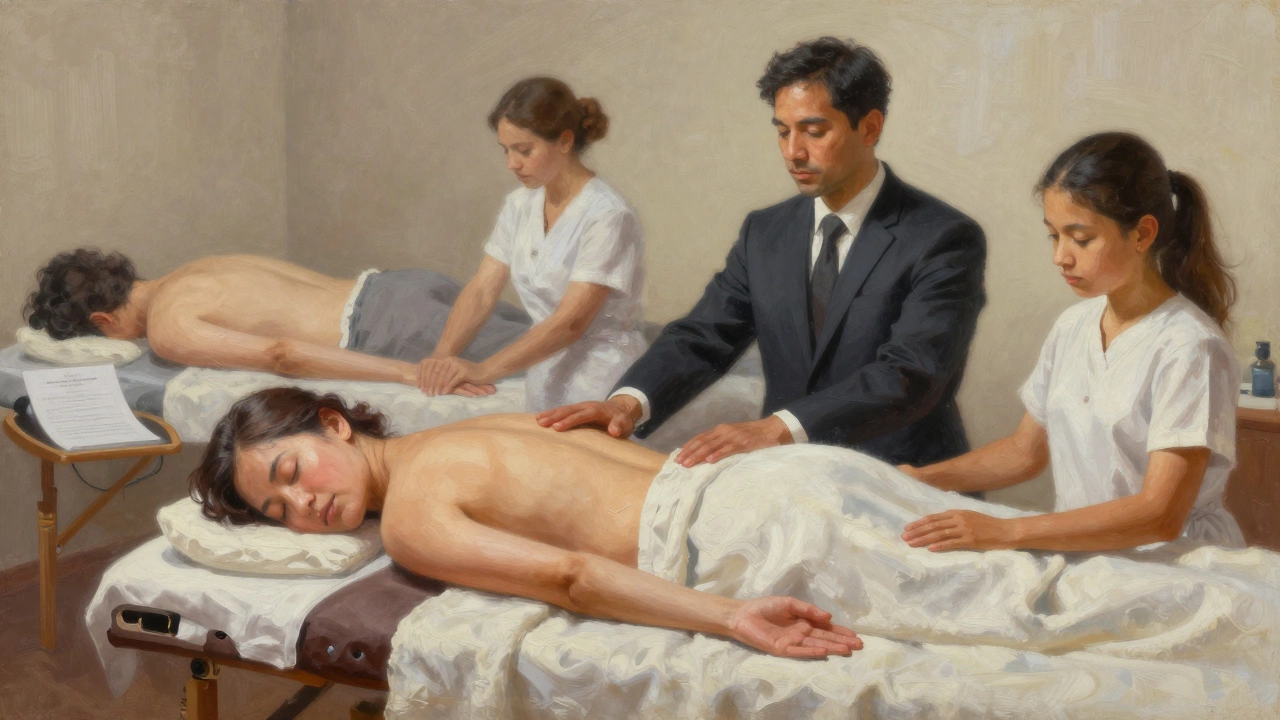
Vivienne doesn’t call herself a healer. But she’s seen how touch can mend things words never could. A woman came in after her divorce. She hadn’t been hugged in seven months. She cried for an hour. Then she slept for 45 minutes on the table. When she woke up, she said, ‘I forgot what it felt like to be held.’ That’s the work. Not sex. Not fantasy. Just presence. A hand on a shoulder. A warm towel. A quiet room. The erotic massage label is just a label. The real thing is the space between two people who agree to be human together, without performance.
What No One Tells You
There’s no glory in this. No fame. No Instagram posts. Vivienne doesn’t post pictures. She doesn’t use her real name online. She doesn’t even have a website. She works through referrals. Word of mouth. A client tells a friend. That friend tells another. It’s old school. It’s safe. It’s quiet. And it’s how she’s kept her life intact. She saves half her income. She’s bought a flat in Bristol. She’s learning Portuguese. She volunteers at a domestic violence shelter, teaching self-defense. She doesn’t talk about her work there. She doesn’t need to. Her hands say it all.
Is This for You?
If you’re thinking about trying this line of work, Vivienne has one rule: Don’t do it because you’re desperate. Do it because you’re clear. Because you’ve thought about the boundaries. Because you know what you will and won’t do. And because you’re ready to carry the weight of judgment alone. She’s never劝退 anyone. But she’s never pushed anyone either. She says, ‘If you’re not okay with people whispering behind your back, don’t do it. If you need applause, don’t do it. If you think this is a shortcut to freedom, you’re wrong. This is a long, lonely road. But if you walk it with your eyes open? It can be yours.’